
Visiting Noma’s Projects Shop, Copenhagen
It was a summer of discovery, and one that I’ll always remember. After another long season in Mallorca, I felt my chef’s palate had become slightly dulled by one too many tastes of the Mediterranean. I needed something different, something more exotic… and by exotic, I mean Northern European!
So, with a little time away from the kitchen, I headed north, exploring some new destinations across Northern Europe and Scandinavia. As a chef, travelling is one of my favourite ways to find inspiration—not just through the food, but through the ingredients, the markets, the restaurants, the people and the way each place approaches cooking.
And this trip certainly didn’t disappoint! Along the way, there were a handful of culinary experiences that really stayed with me, from discovering and local traditions to eating in some truly memorable places. Some were elaborate, some incredibly simple, but each one gave me something to think about and, more importantly, something to bring home with me.
So, I thought I’d share three of the culinary highlights that made the biggest impression.
#1 Amsterdamn International Food Market on Lindengracht street in the Jordaan neighbourhood.
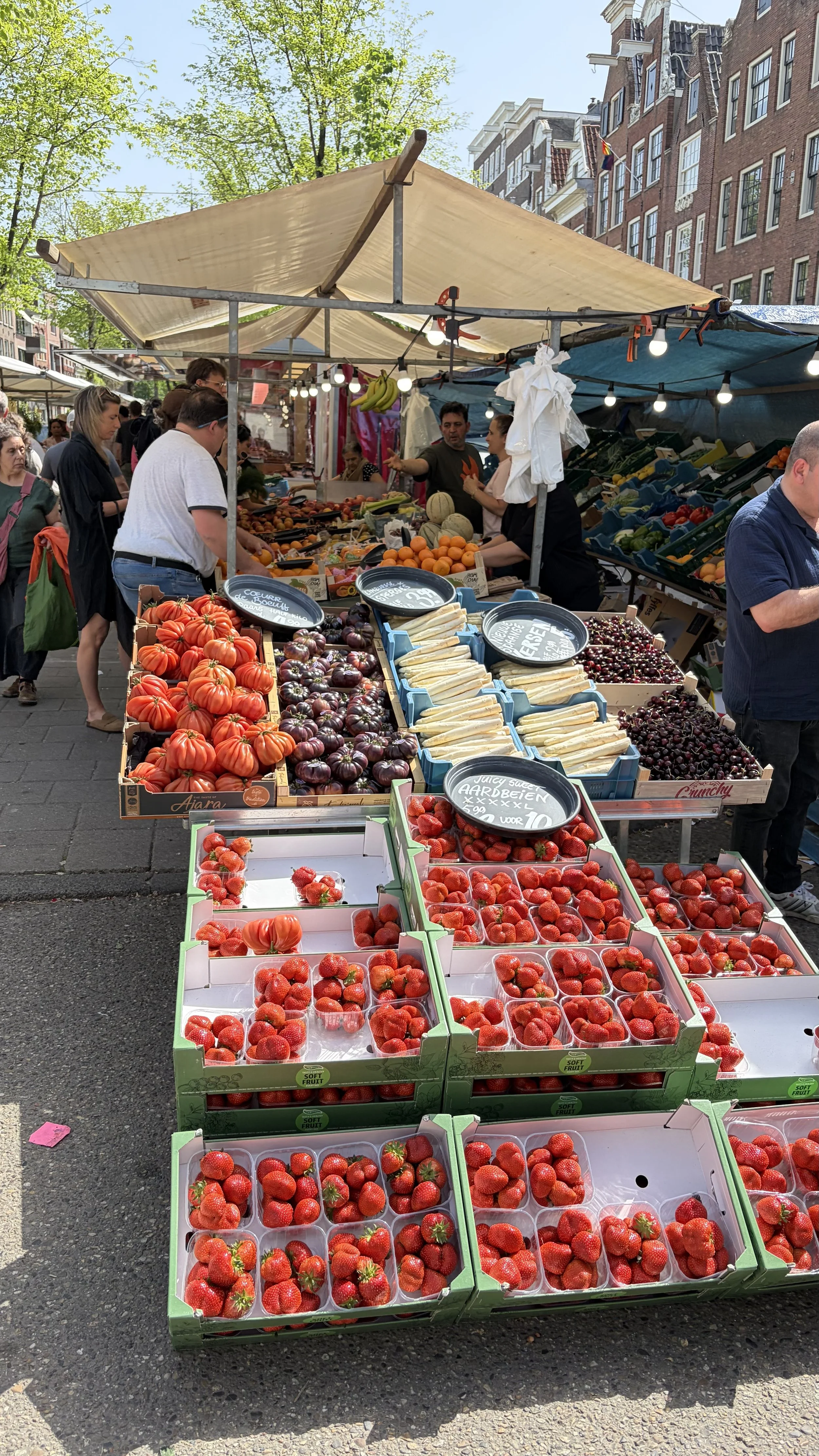
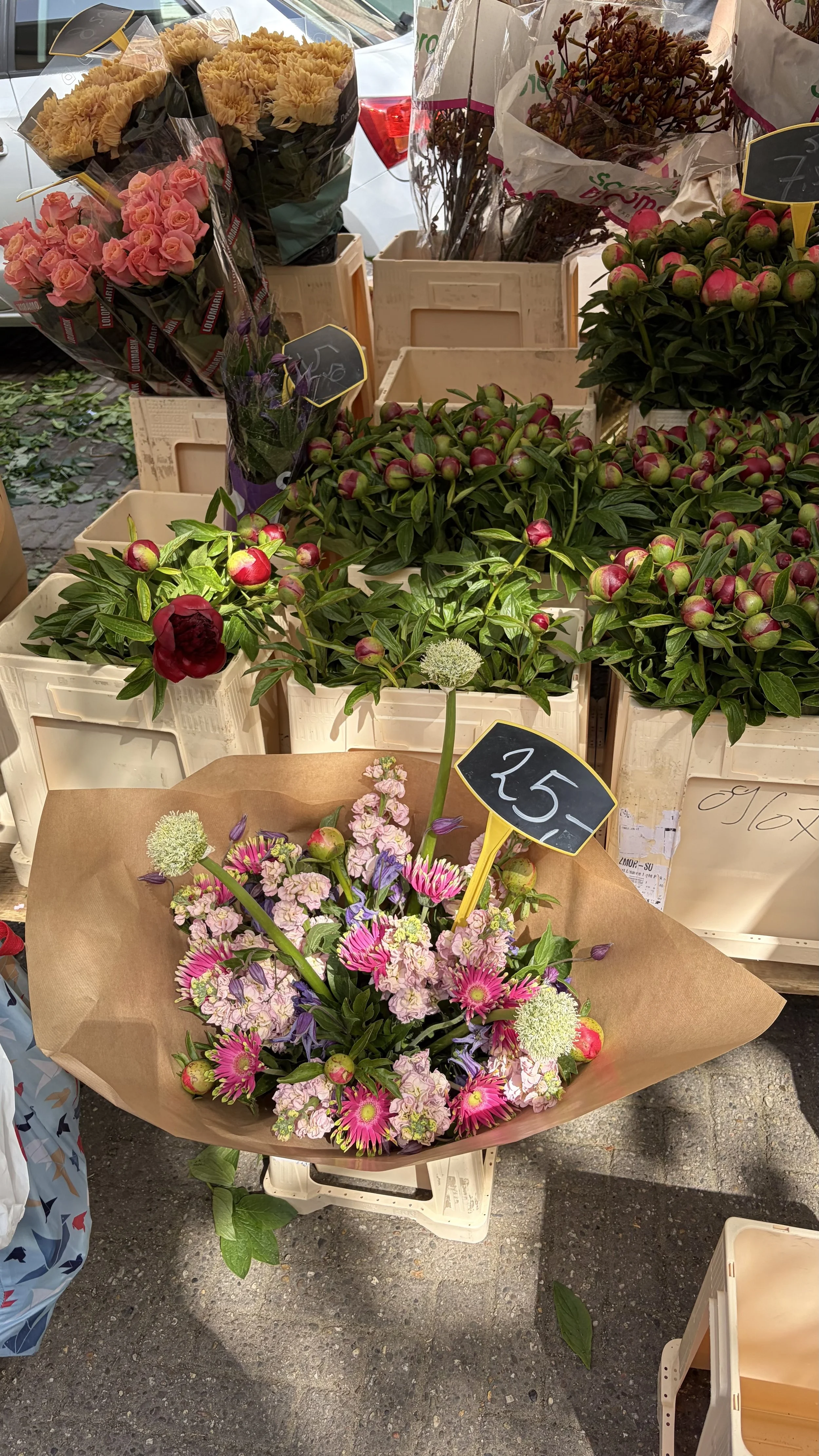
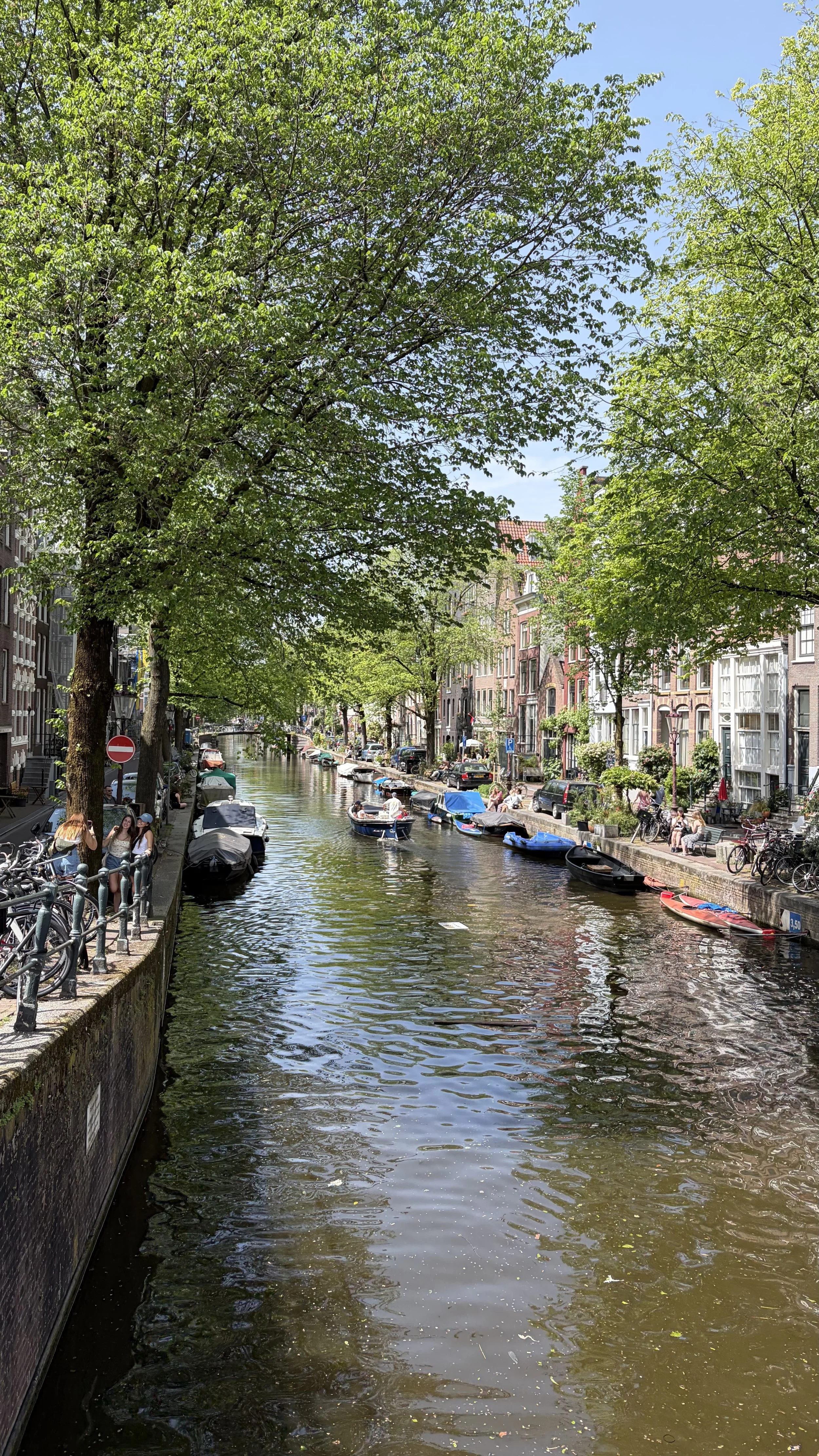
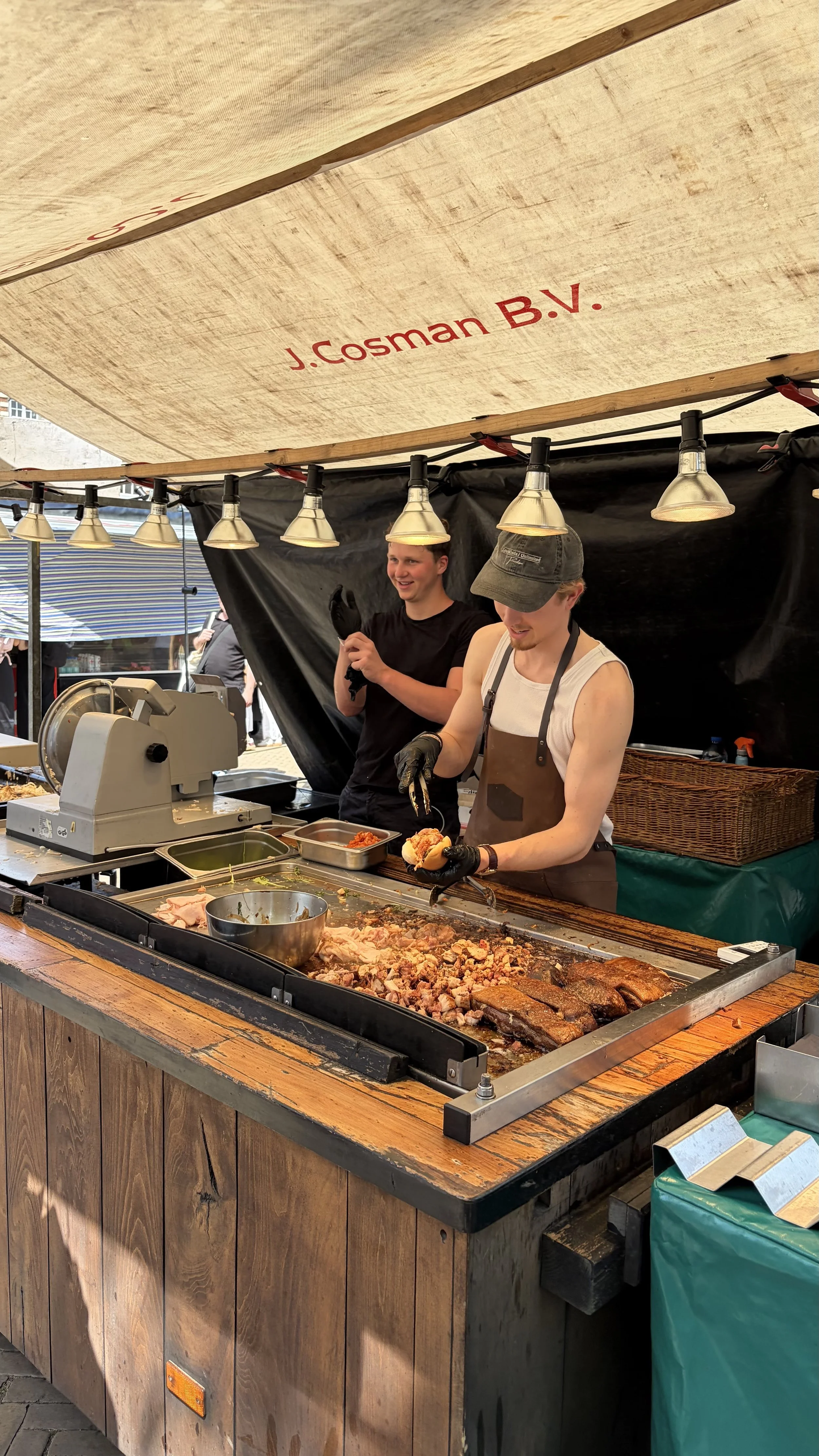
Around lunchtime, we walked through the very trendy neighbourhood of Jordaan and discovered a long street made entirely of market stalls and vendors, selling everything from honey, waffles, fresh fruit and flowers to handmade street food that filled the street with the most amazing smells!
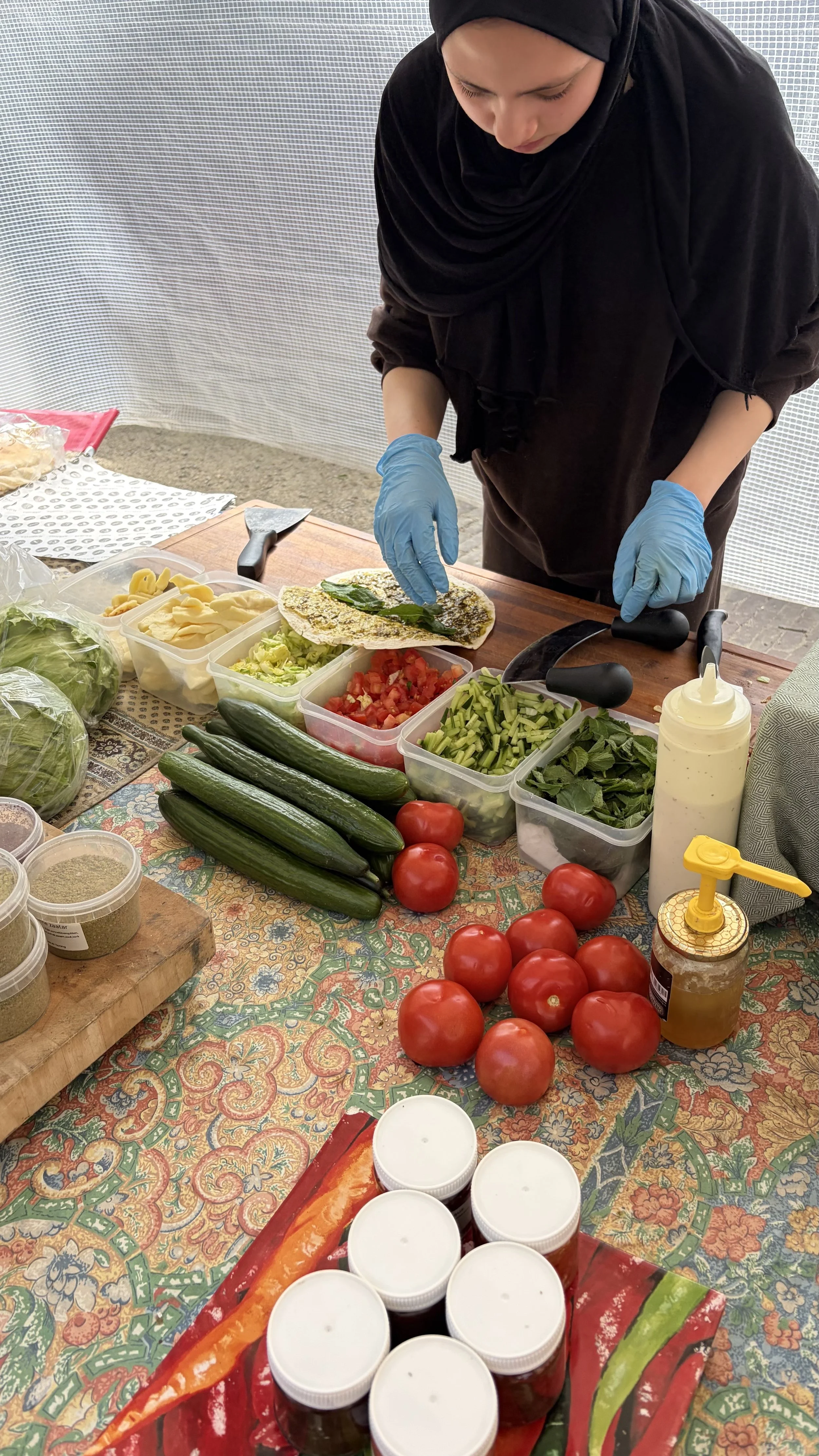
I immediately caught the attention of one of the Lebanese market stall women and requested a falafel wrap to start my morning. It hit the spot, with pickles and spices encased in warm lavash. I even bought some sumac to take with me and use in future cooking, especially at my private events, as I start all my meals with Lebanese-style mezze and this would be perfect to add to my yogurt labneh.
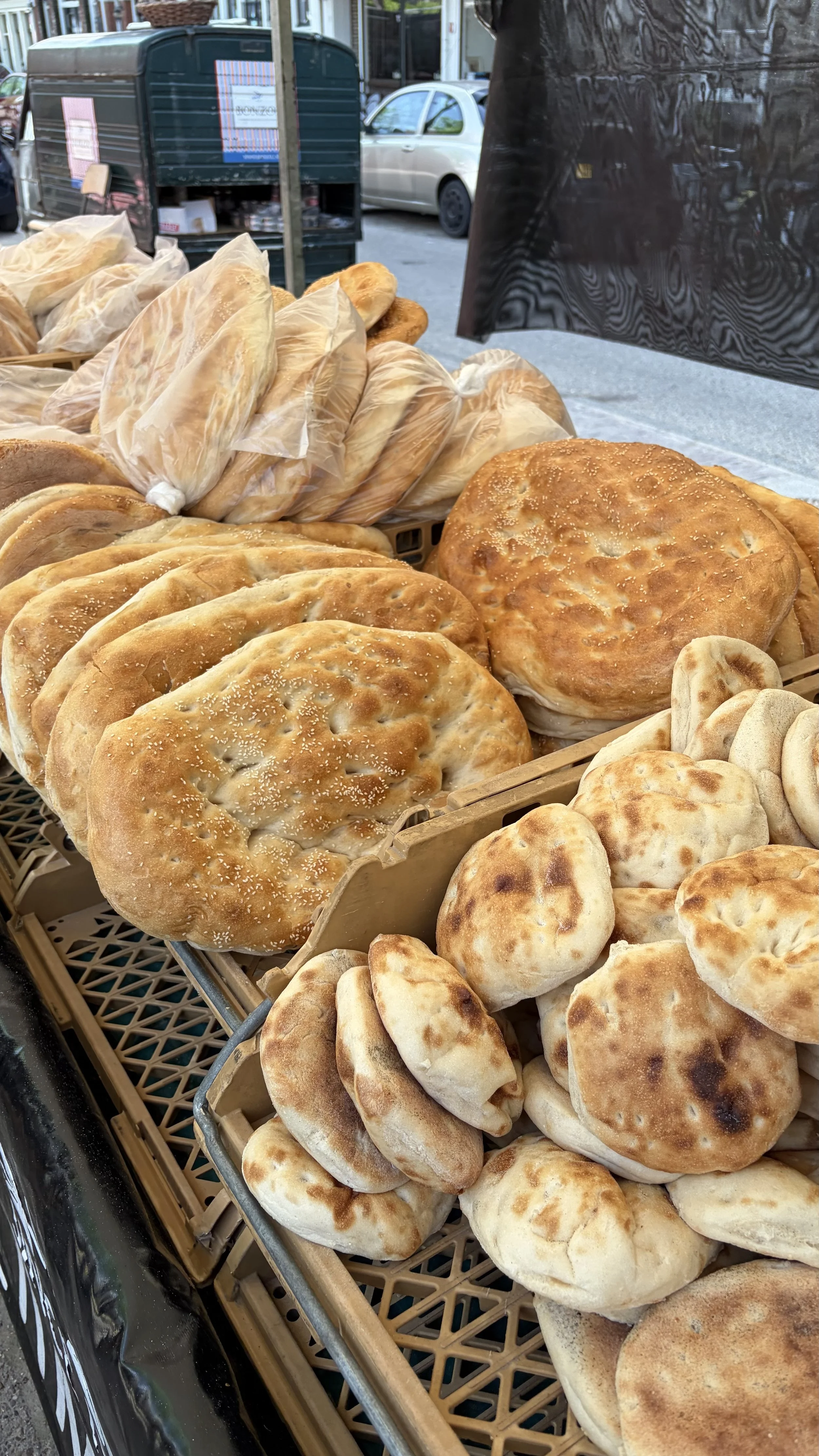
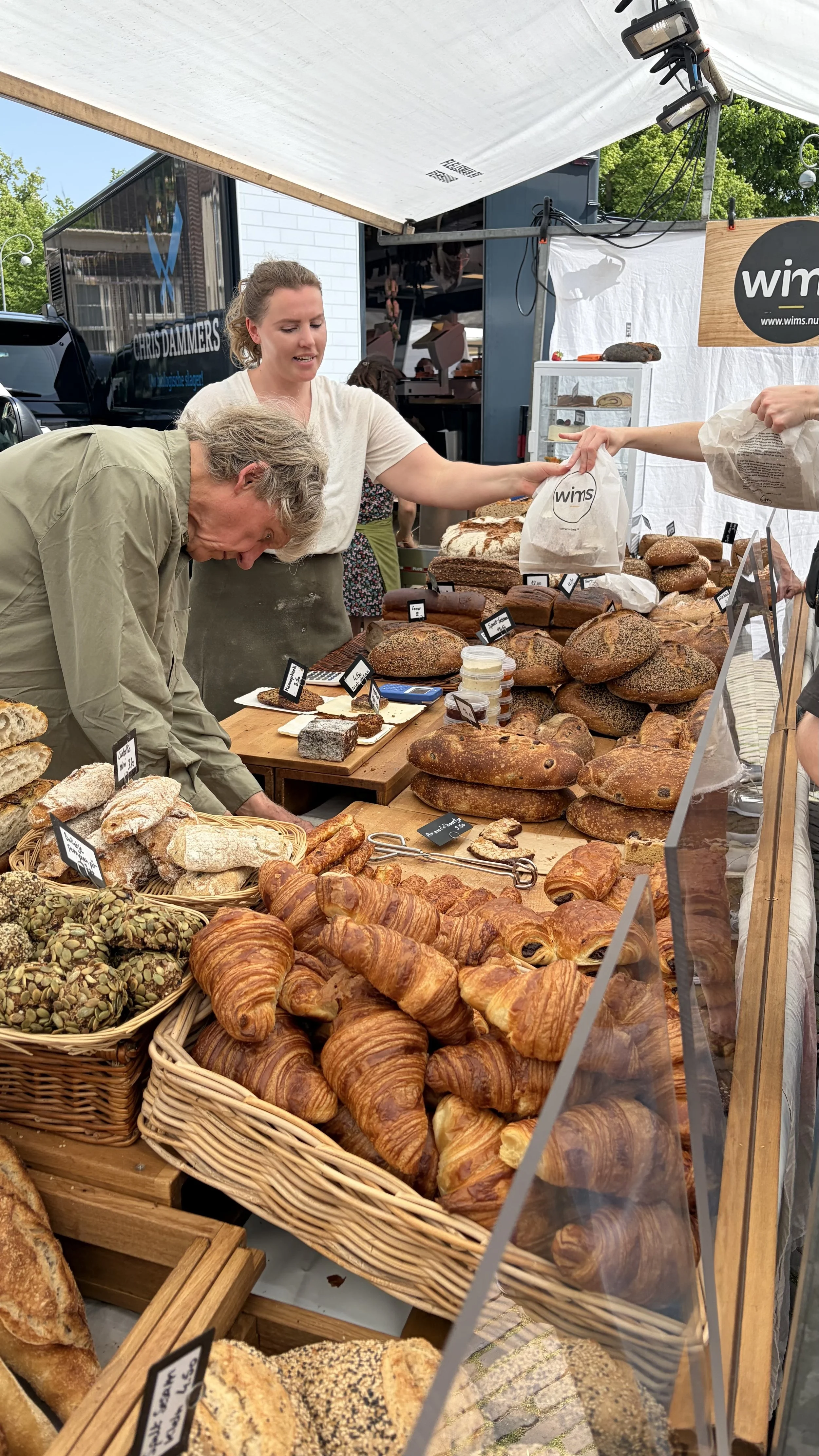
Continuing on and around a few blocks, there was another market selling a variety of products, jewellery, second-hand items and BREAD! And I could tell that it was sourdough in nature just by the look of the crust. So I bought a loaf, along with some smaller, stackable street pastries, and continued our journey.
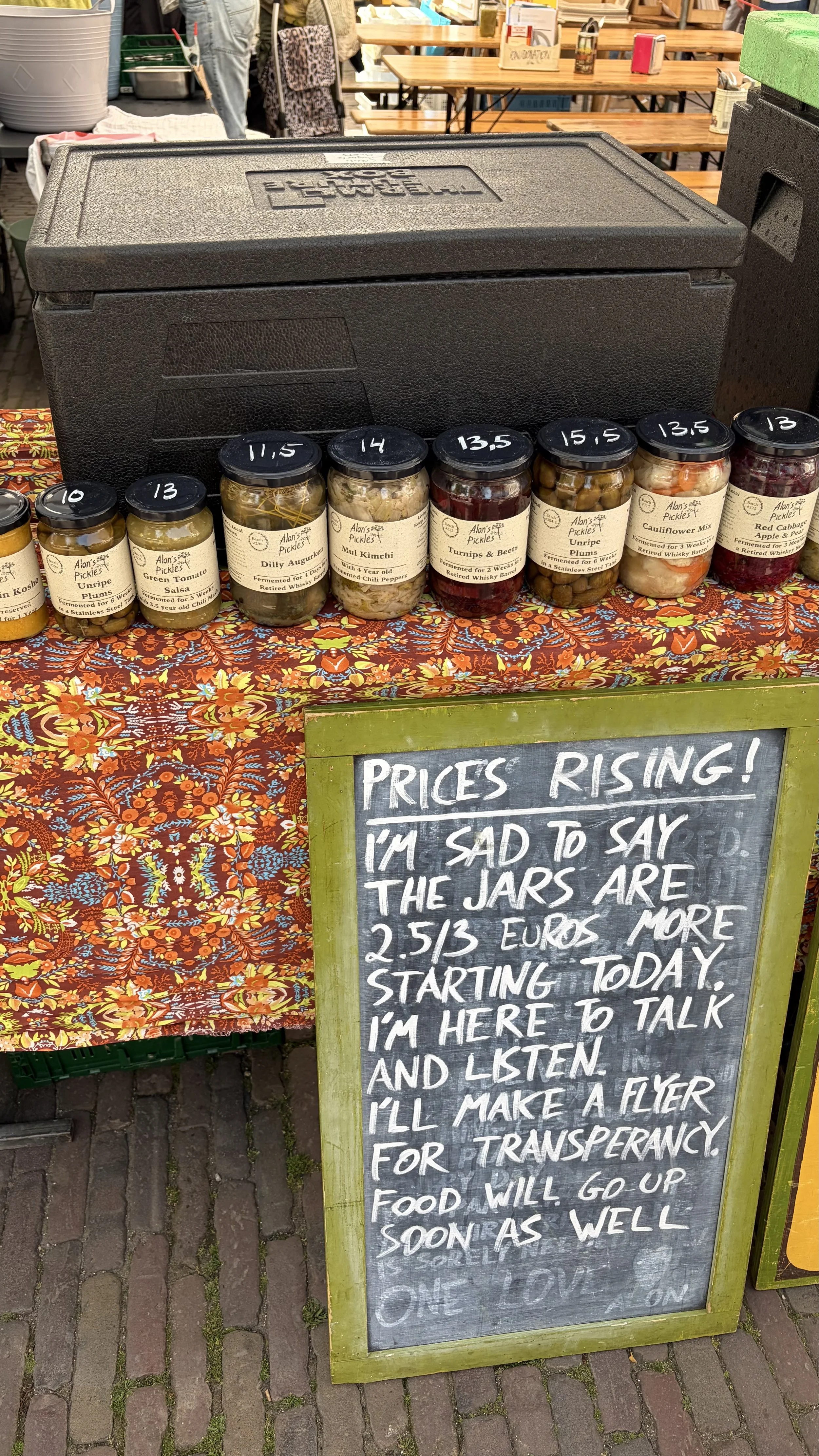
There was an old Airstream trailer that caught my eye, and I could see jars on display with some signs, so I had to check it out. Jars usually mean preserved foods, which are my love.
Much to my delight, this vendor, Alon’s Pickles, was selling homemade fermented chilli sauces and fruit spreads. I always like adding a little spice to my food, and I saw a jar of fermented green tomato and chilli hot sauce. The kind woman gave me a sample, and it was so tangy and full of life, and heat!
I took a jar, not knowing that the price was €17, but it was too good to pass up. As a chef, I appreciate that this jar probably took weeks to ferment, and I’m happy to pay for a labour of love direct from the farmer.
I left this Amsterdam market with a full bag of goodies and a lot of inspiration and motivation to start fermenting more foods when I came back to Palma. Let’s see what I make this autumn and winter!
#2 Copenhagen (Restaurant Schønnemann & NOMA)
Further along the trip, we stopped in Copenhagen in late May for a few days. It was my first time in the city and, of course, I had always heard about the great restaurants that revolutionised fine dining with their Nordic cuisine.
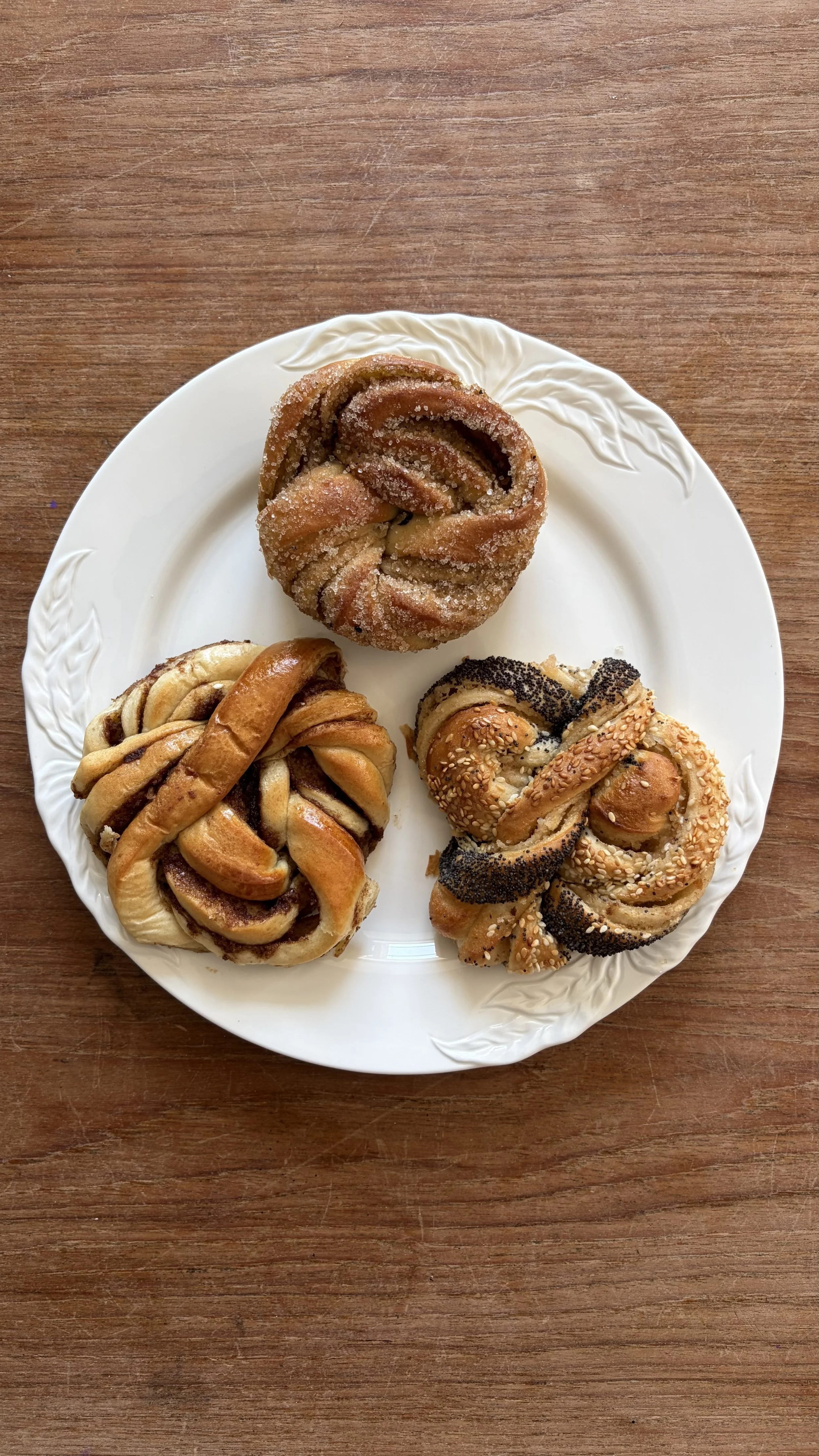
I was delighted by the food in this city. First, you couldn’t go a day without a pastry, and one of the most common was the cinnamon or cardamom knot. Twisted butter brioche laced with spices and sweet, sugary glazes: sticky without being too rich, and with just the right balance of sweetness in each one.
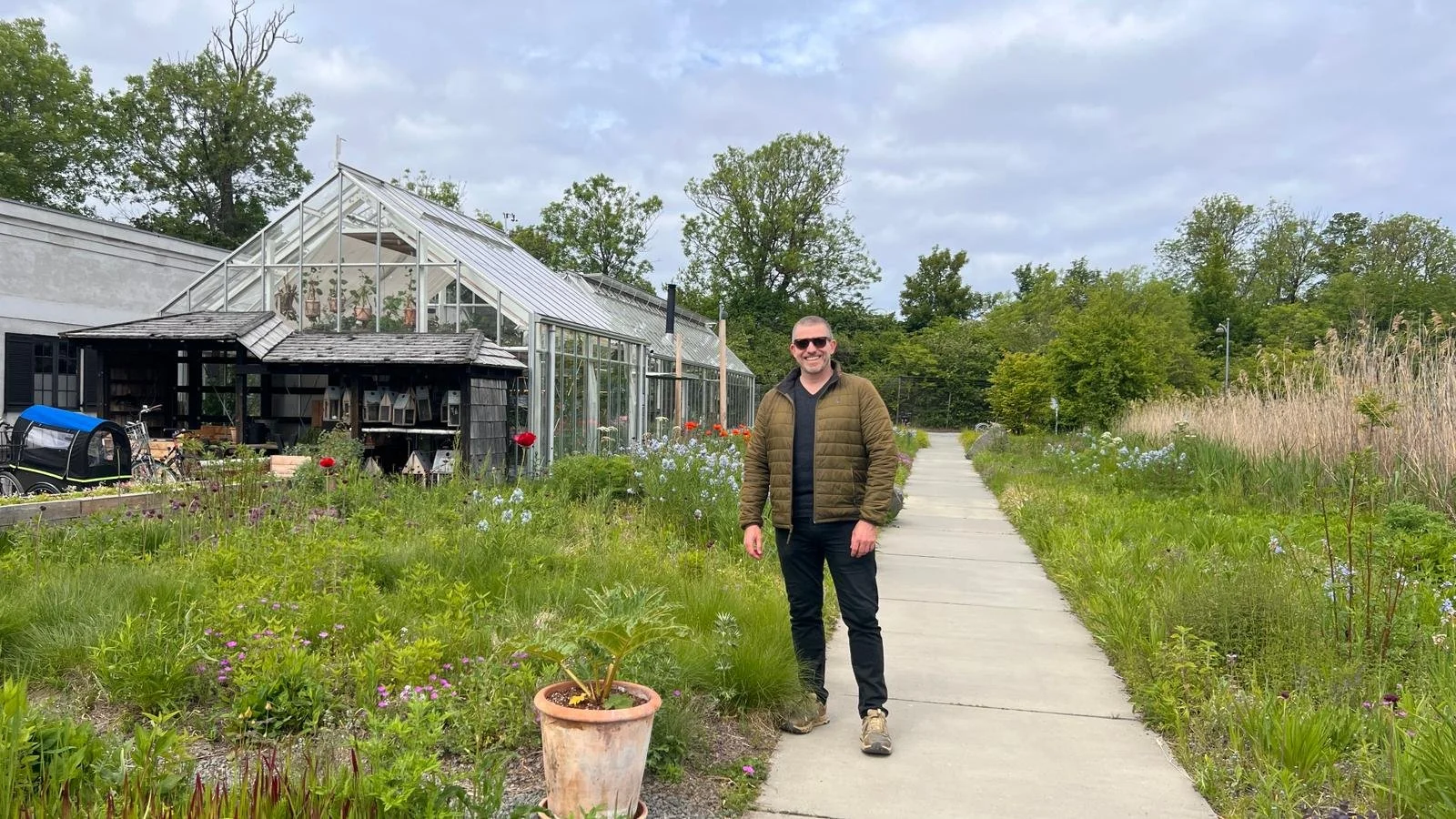
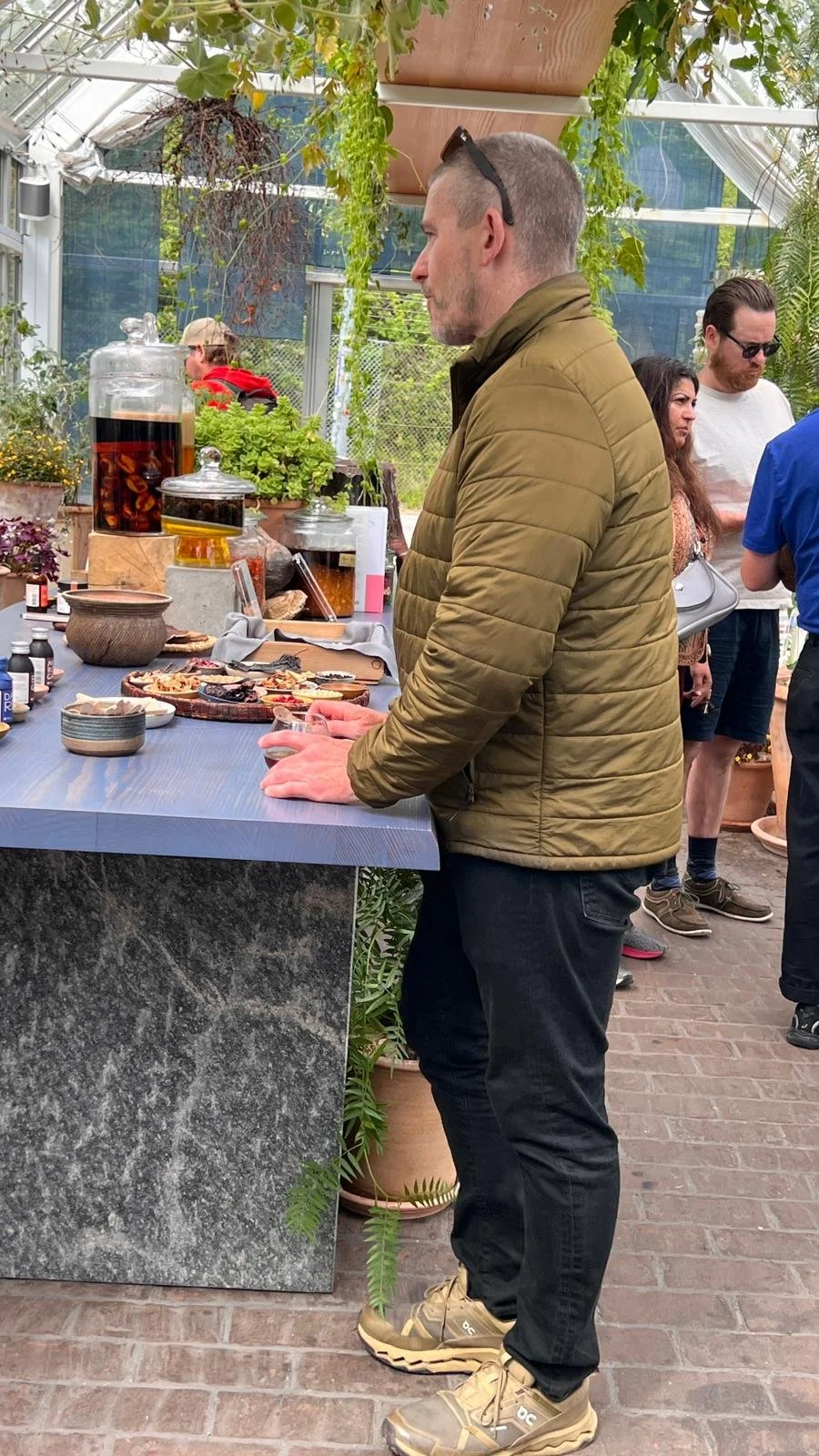
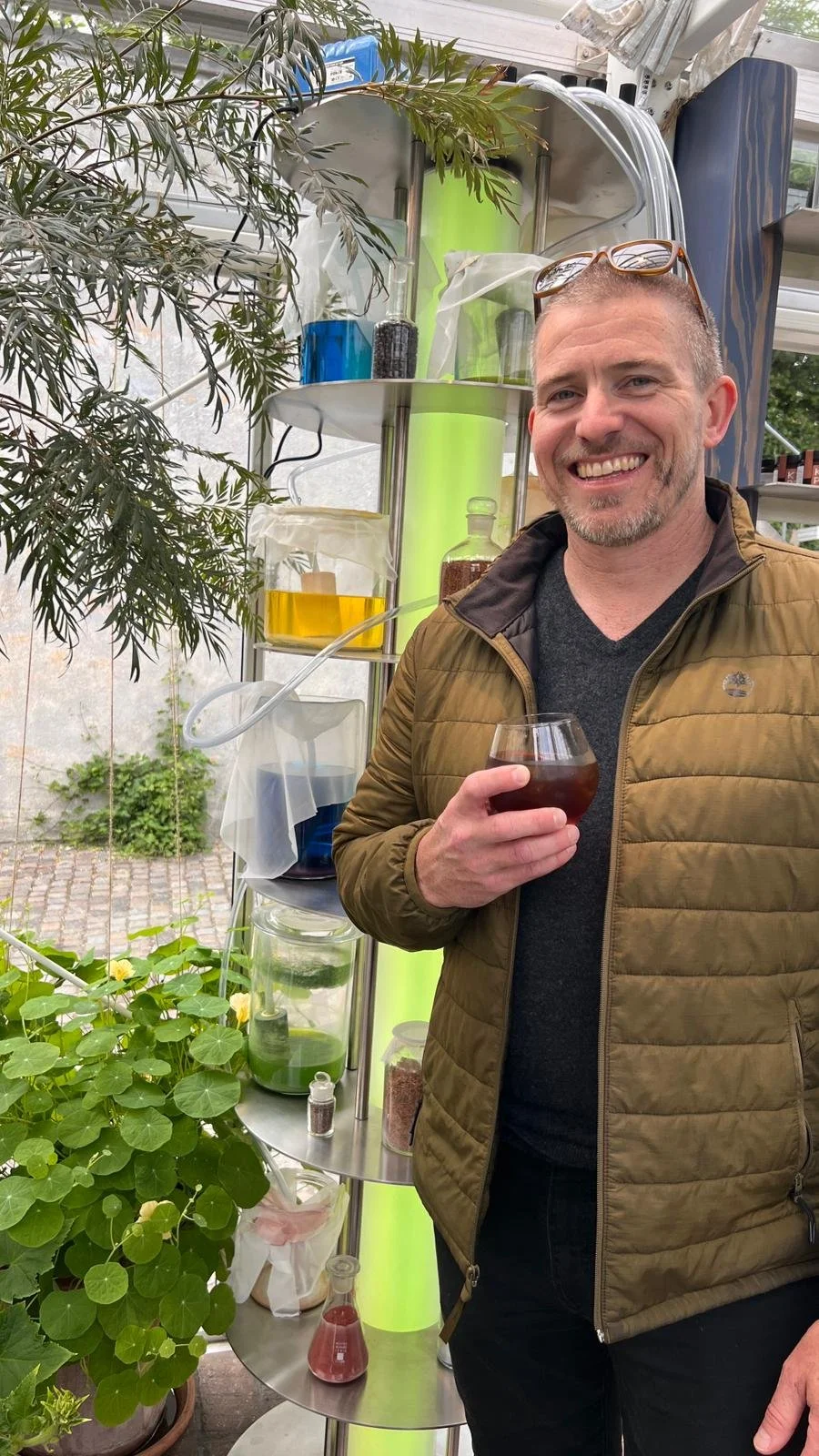
We took bikes one day, which is the best way to explore the city (highly recommend!). On our journey, we stopped to see the famous restaurant NOMA. Although we knew we weren’t going there to eat, I still wanted to see the grounds. And we were in for a surprise, because they had opened a creative lab centre in front of the restaurant where you could sample some of their work-in-progress experiments.
I had a really nice fermented cold brew coffee and some very interesting sauces made with a local foraged berry called sea buckthorn. I’ve always wanted to taste this, and now I got to do it here… at NOMA, in the form of a marinade and a hot sauce.
I also bought a pack of really cool garums: old-school, Italian-style salt-fermented proteins, so I could gift them to my foodie client back in Switzerland.
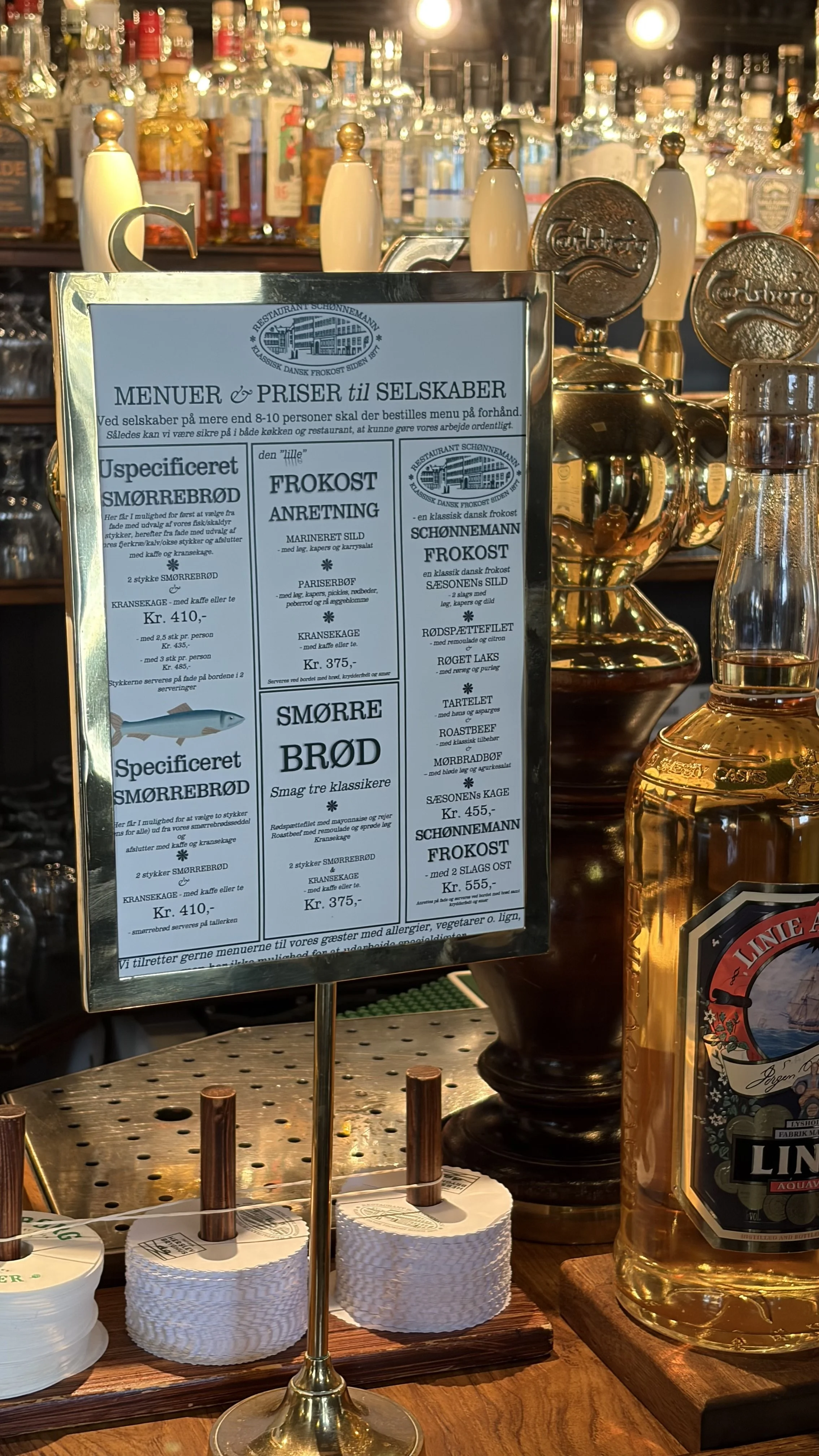
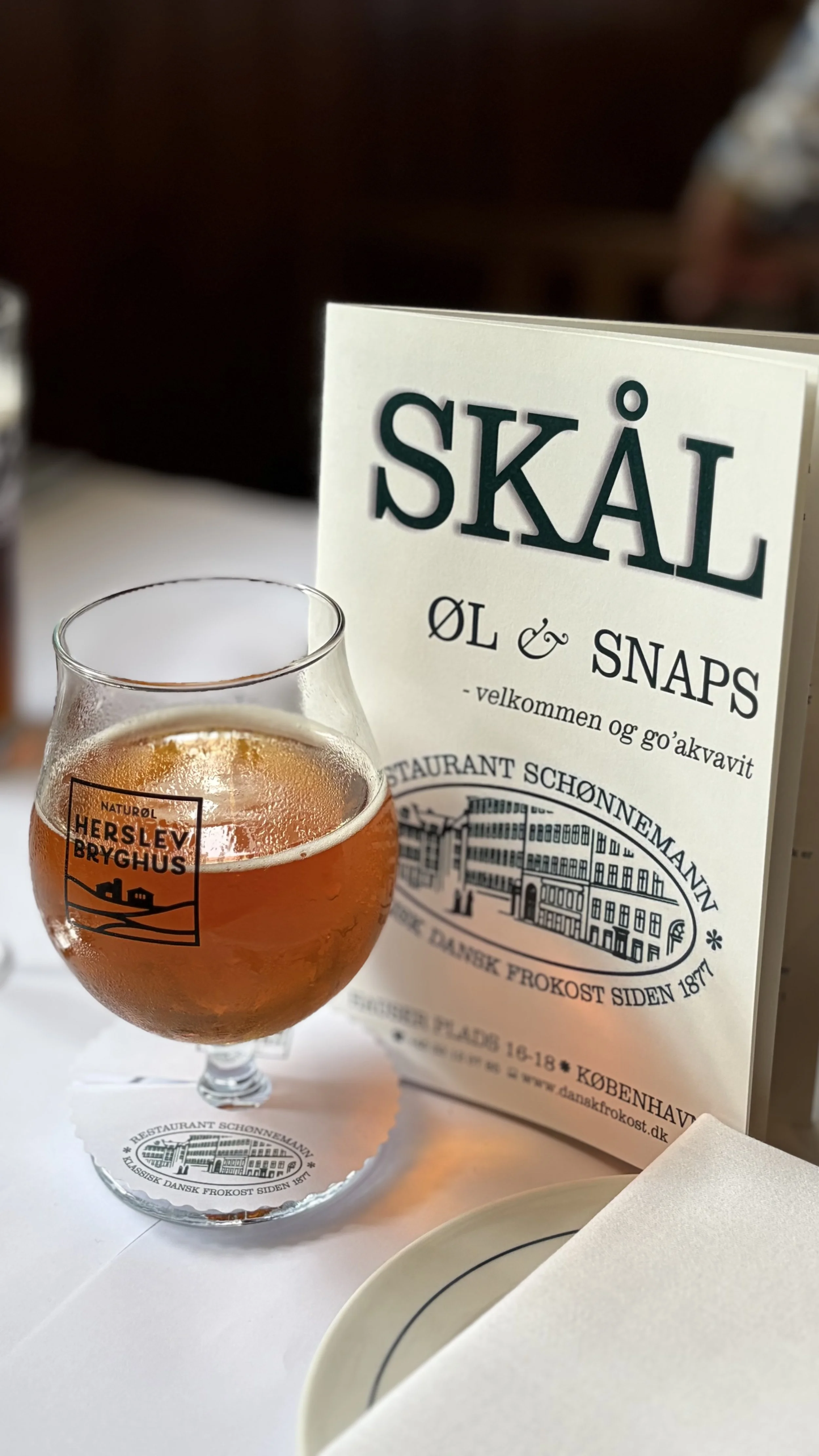
The next day, we really wanted to try a traditional smørrebrød and snaps restaurant, so one of my Danish clients in Mallorca told me about Restaurant Schønnemann, and it didn’t disappoint.
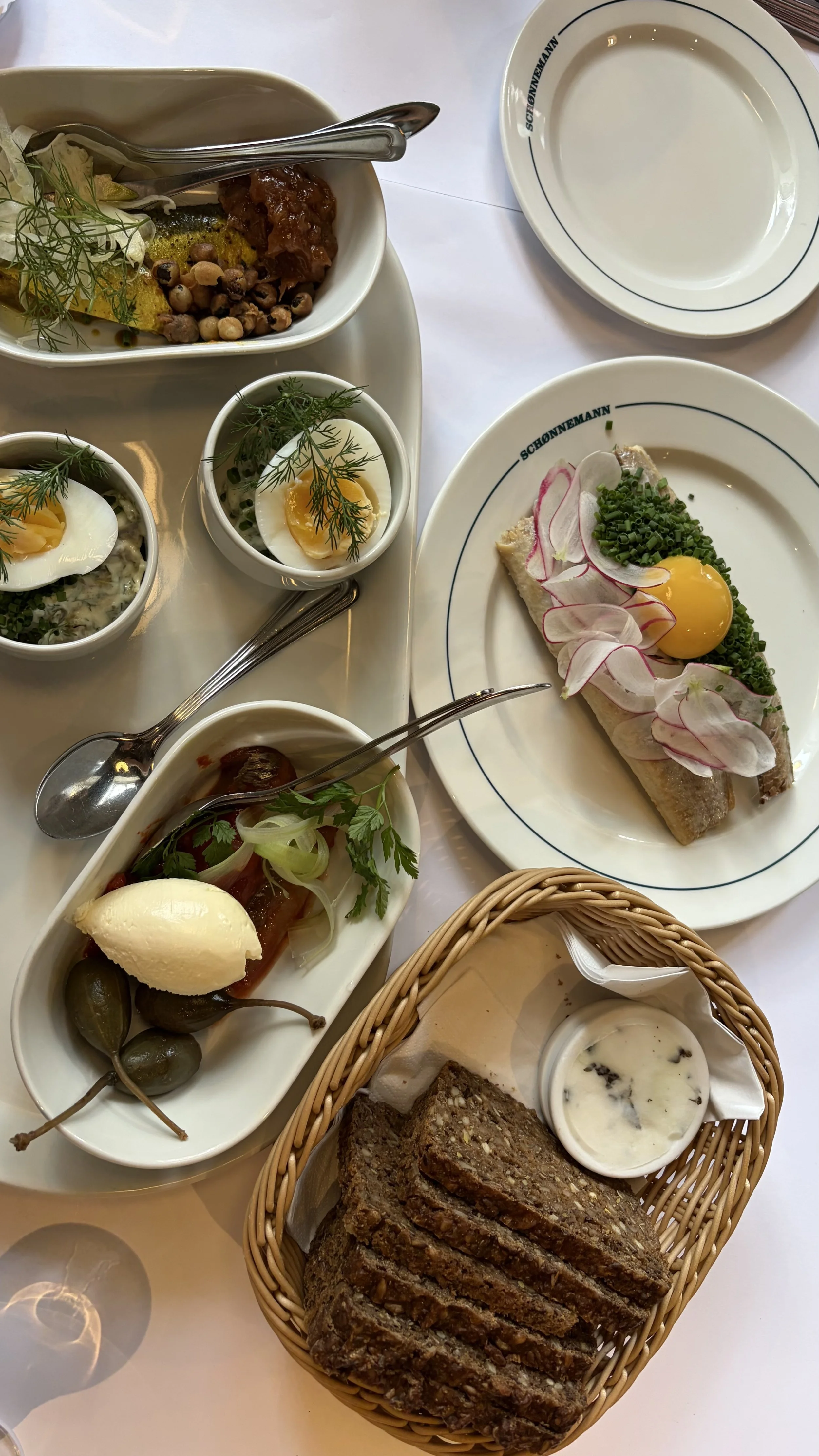
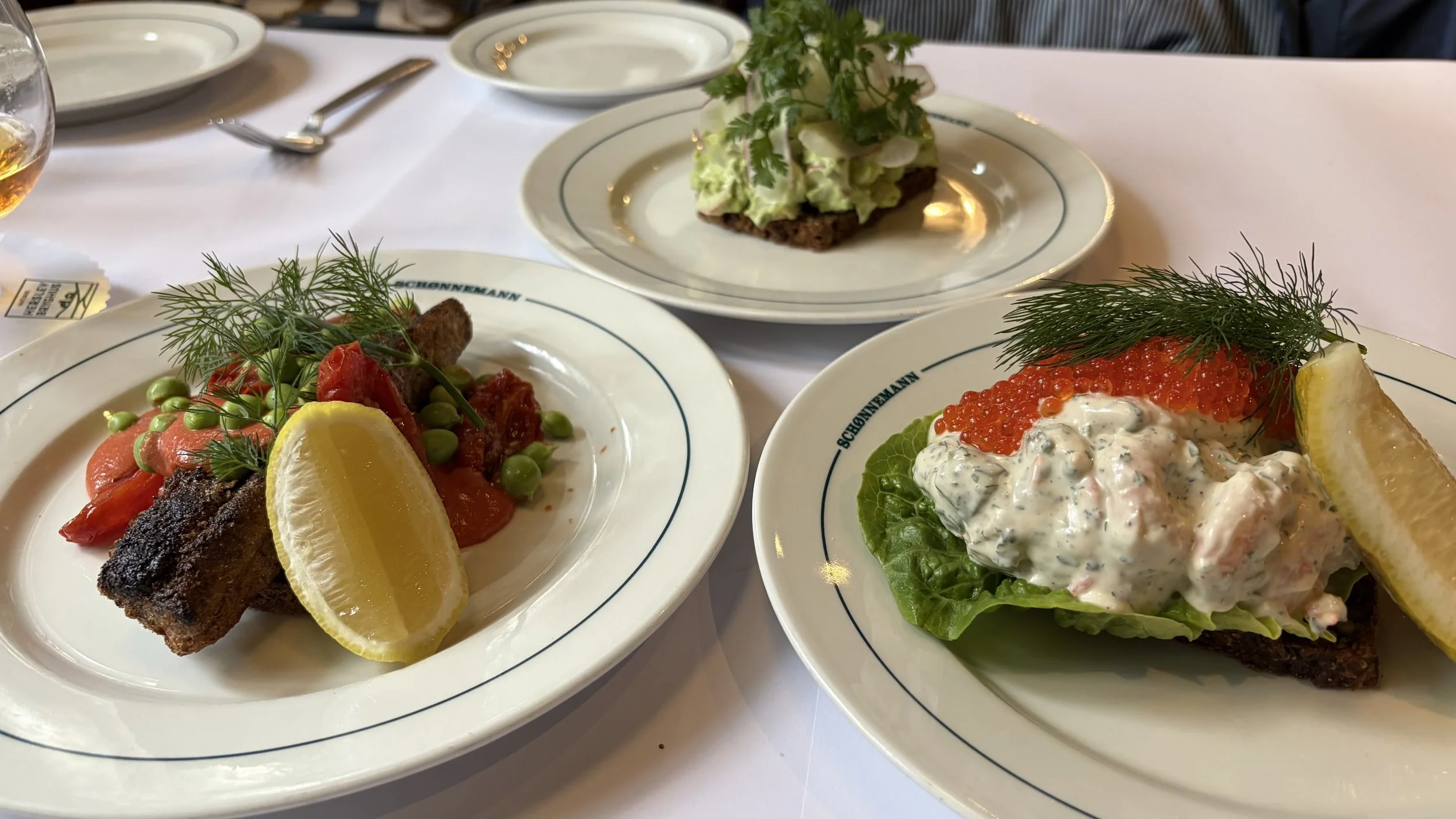
It’s a very old-school establishment, and our waiter was very cool with his suggestions on what to order and what to drink. Of course, I had a few snaps (schnapps), and boy, were they strong! But they actually paired nicely with the fish and seafood salads.
My favourite was the pickled mackerel and the shrimp salad with plenty of dill and lemon. Such a wonderful find!
I love the seafood in Mallorca, but it is very different to see the kind of preservation and salting techniques they use up here in the northern waters surrounding Denmark.
#3 NORWAY - hand-forged Lofoten seaweed
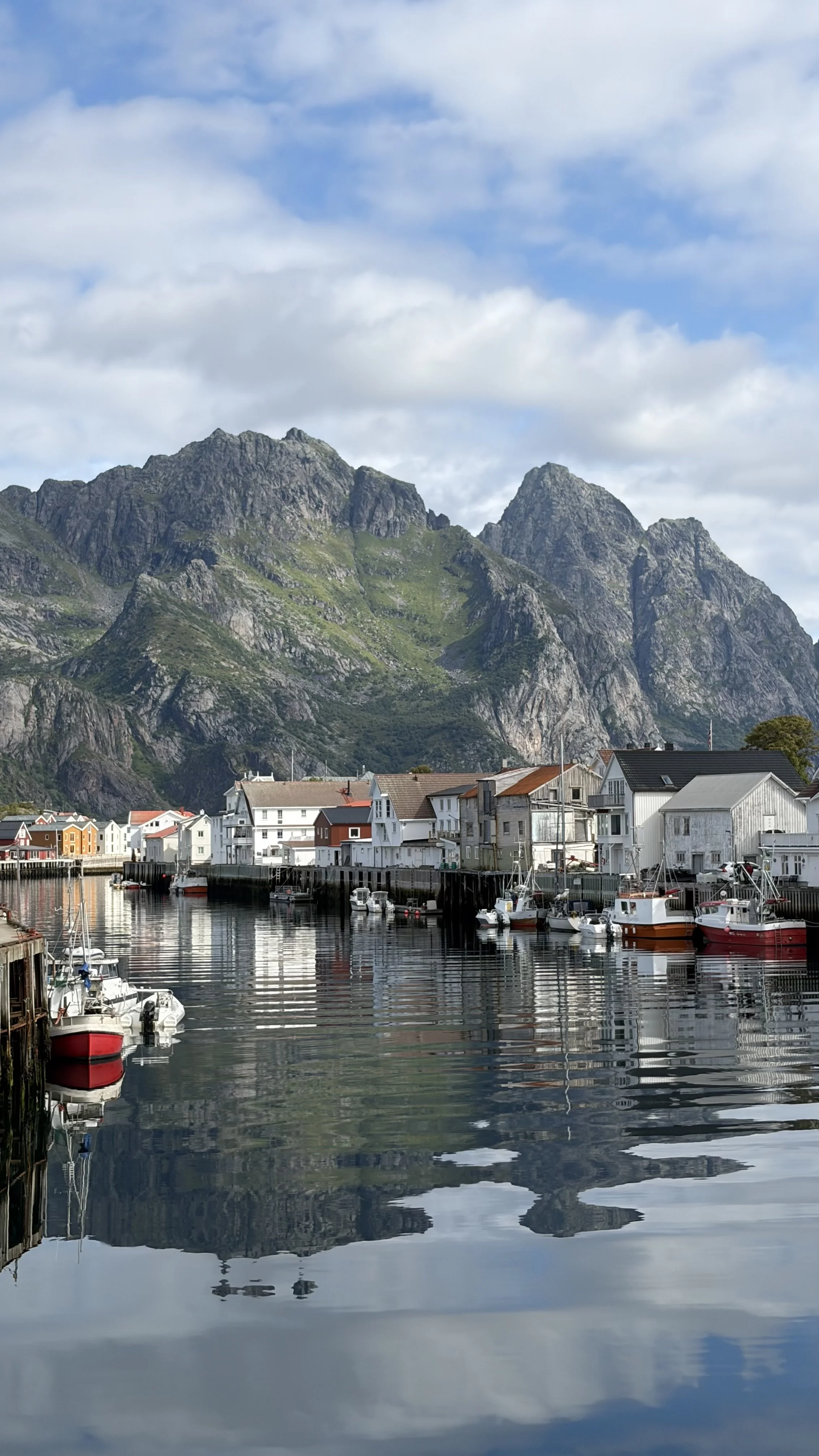
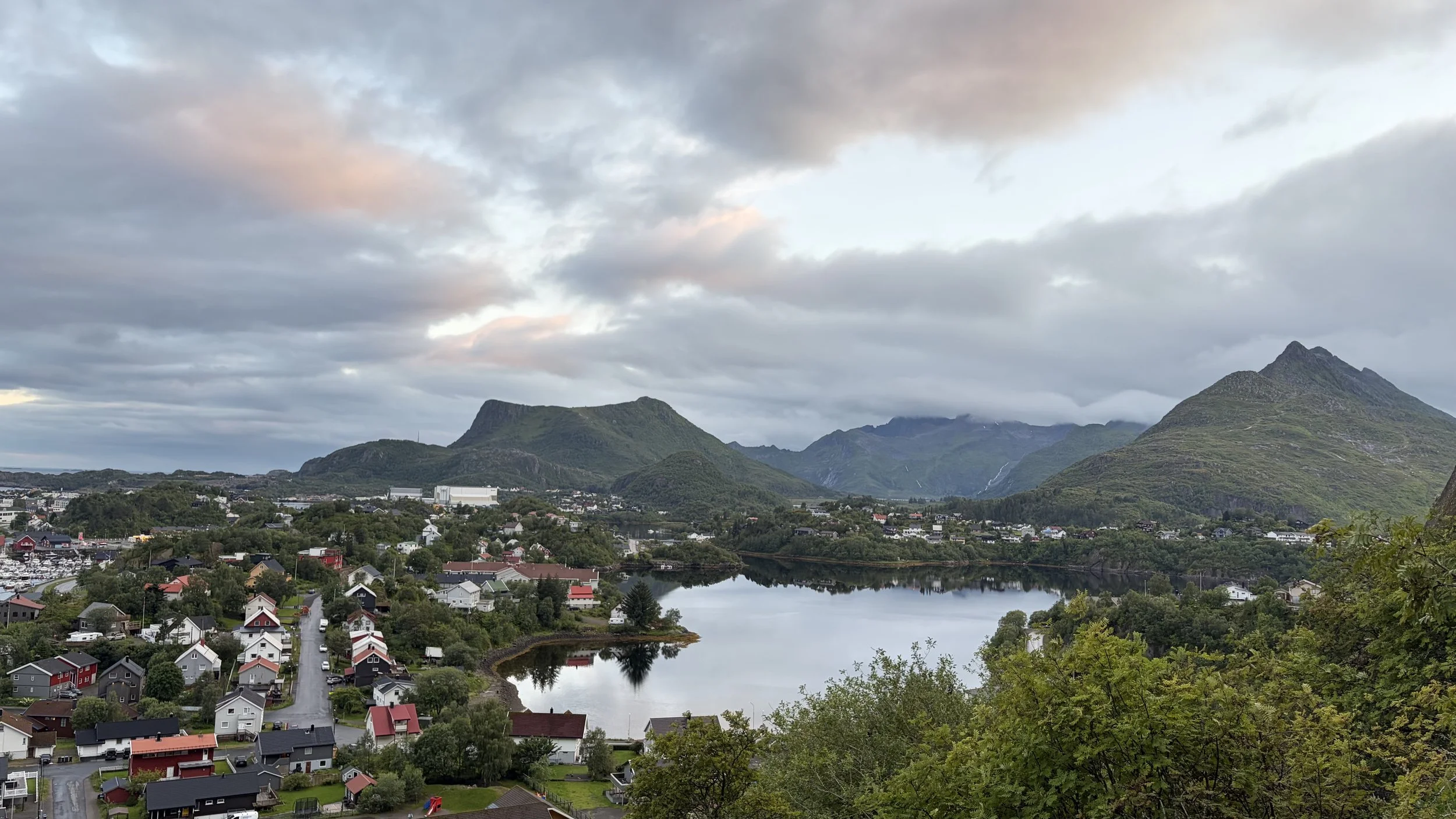
One of the real highlights of travelling north this summer was discovering Lofoten in Norway. It’s one of those places that almost doesn’t look real, with dramatic mountains rising straight from the sea, little fishing villages dotted along the coastline and fjords stretching out in every direction. After spending most of the summer working flat-out in Mallorca, it was certainly a change of scenery, and a very welcome one!
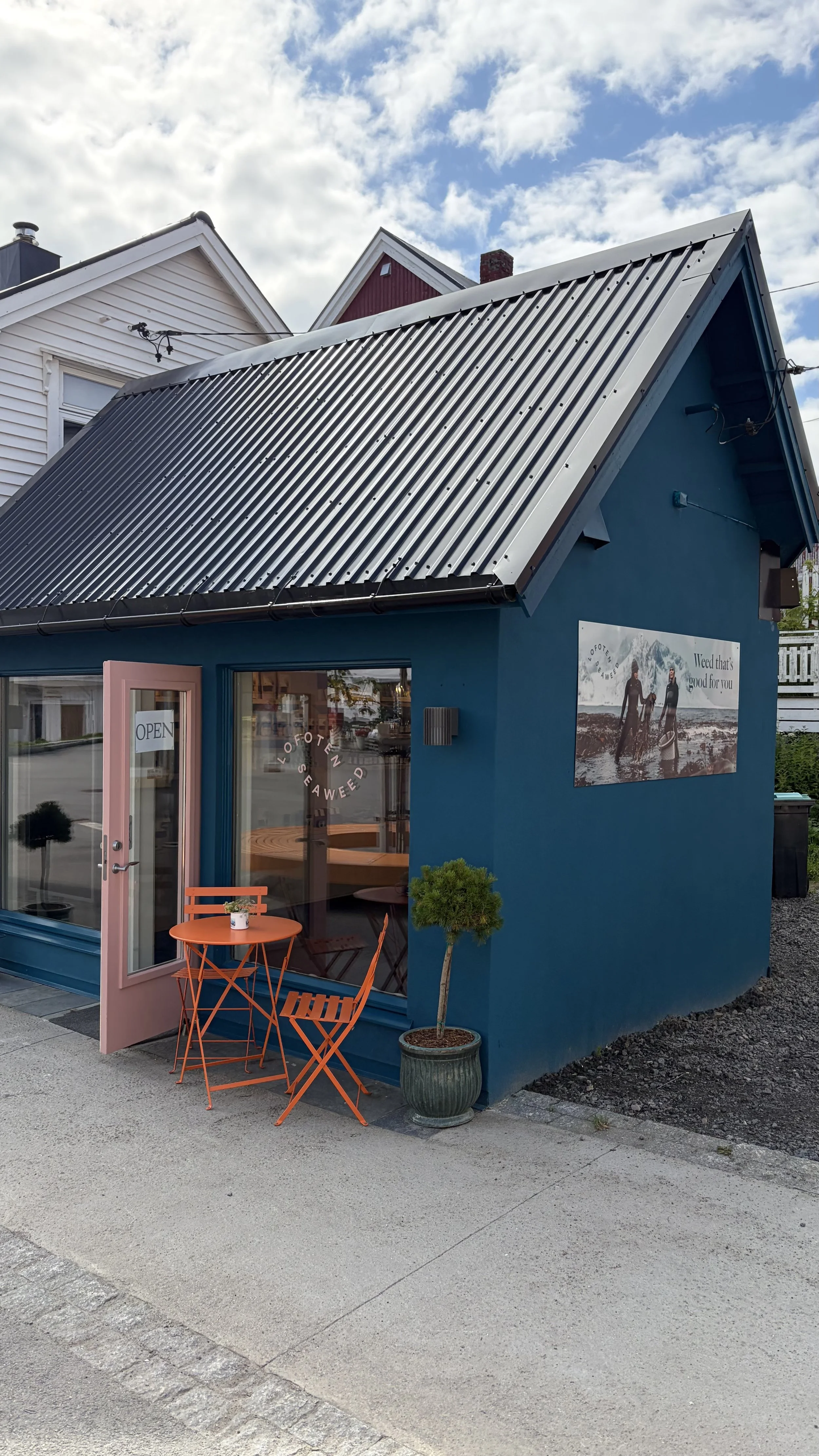
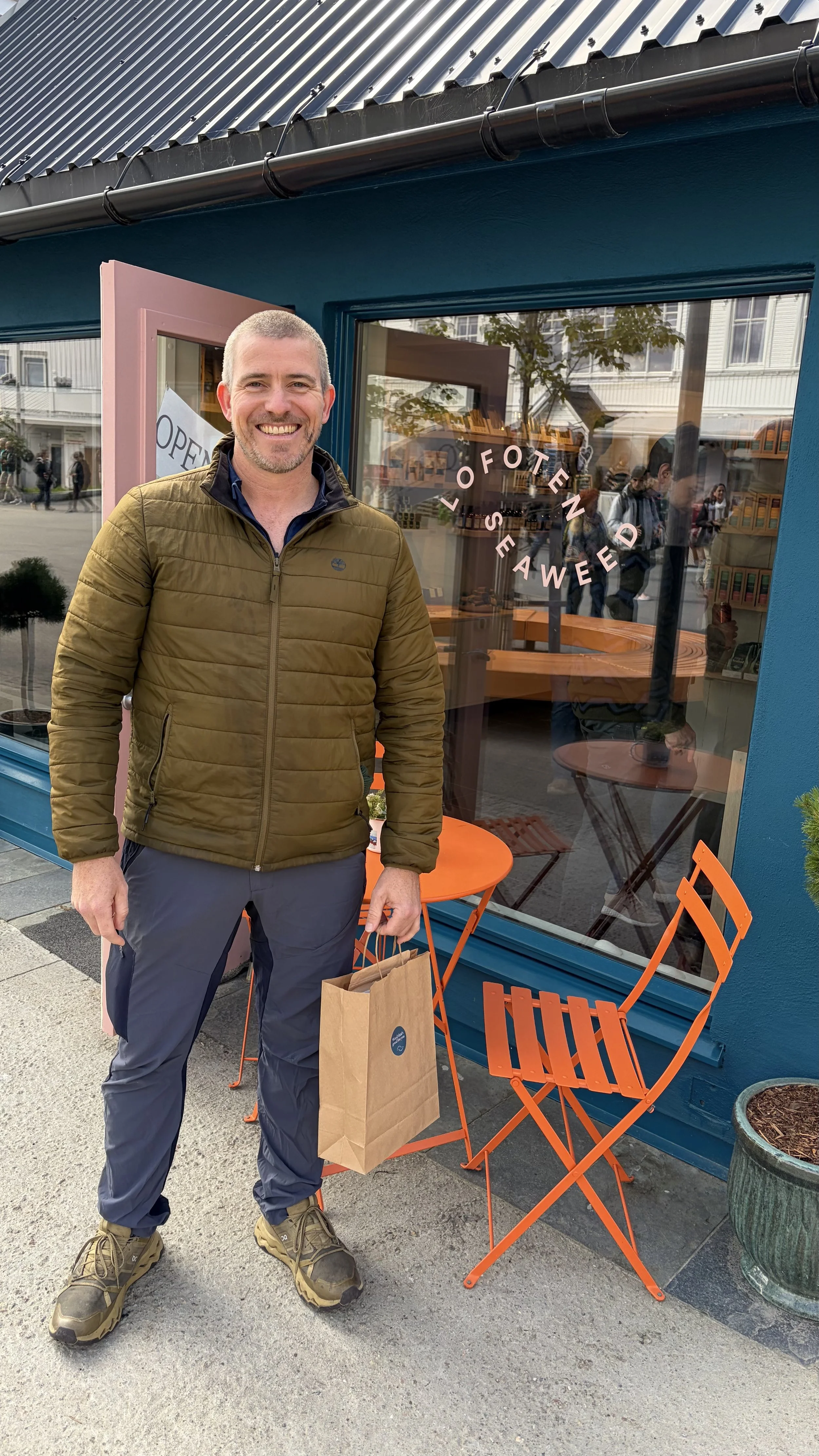
As I wandered around one of the fishing villages, I came across something that immediately caught my attention as a chef: a beautifully presented and branded storefront that I recognised.
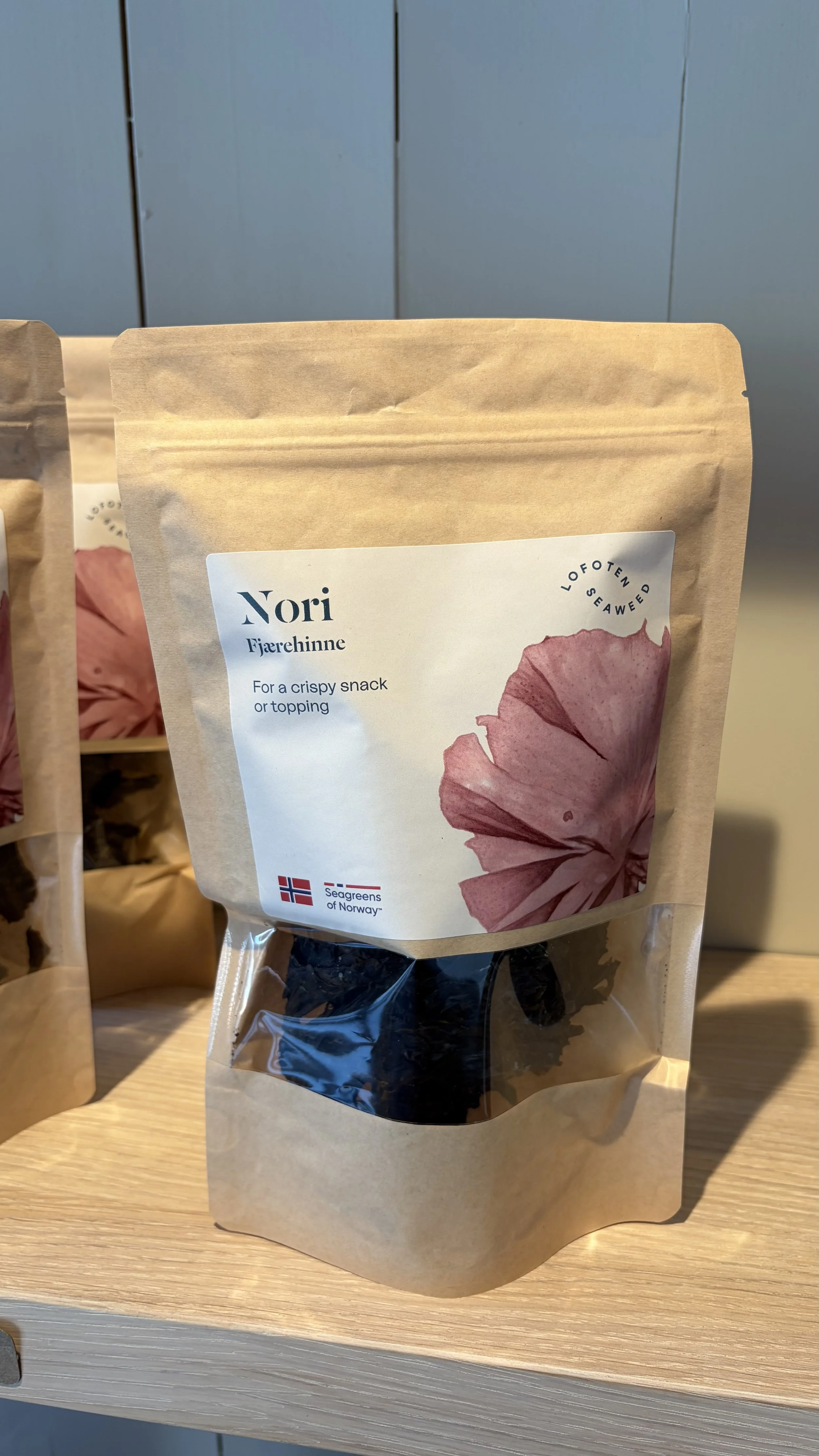
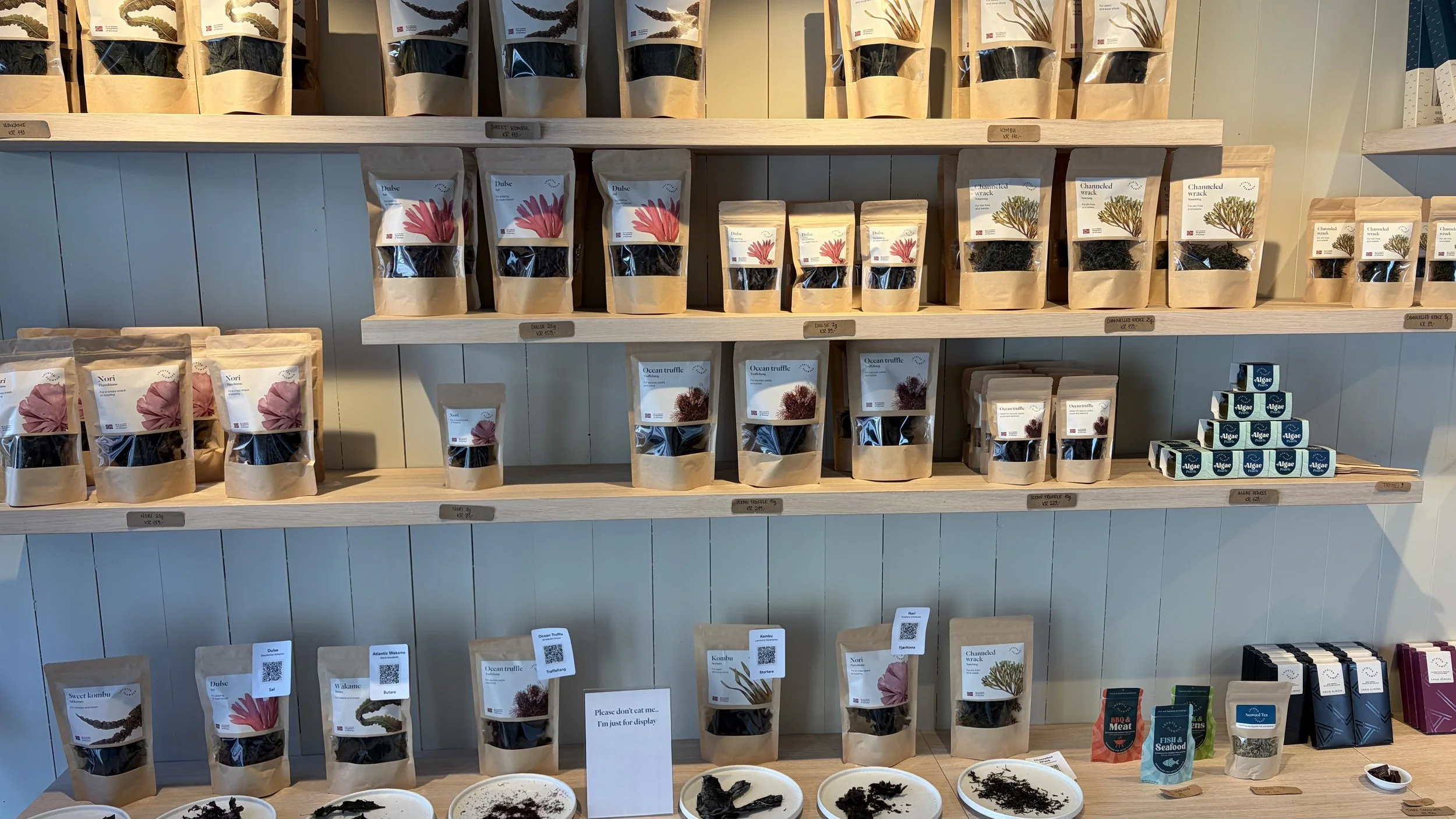
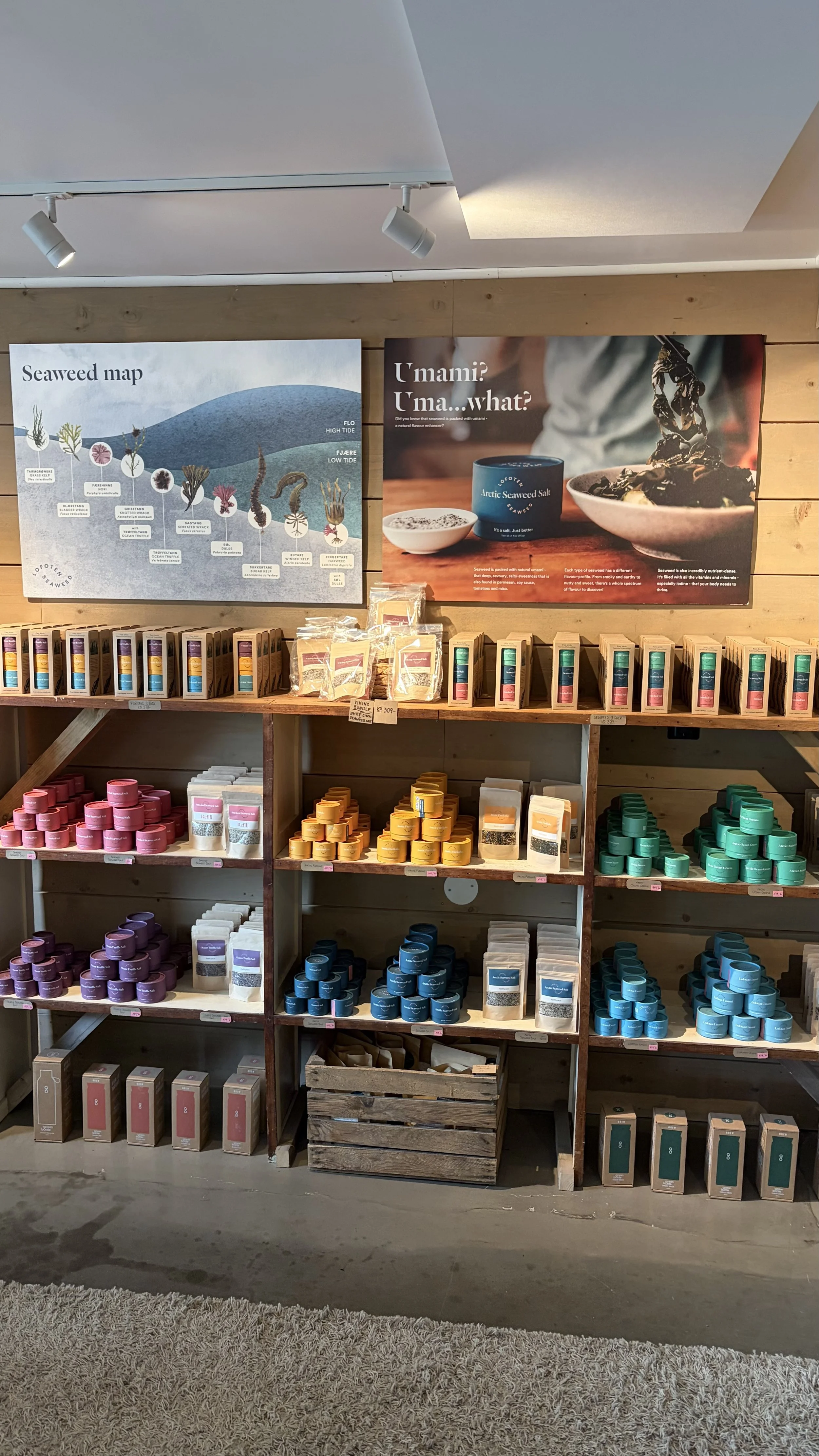
A few years ago, one of my yacht-chef connections, Eli from Maison del Gusto, shipped me a variety of products to test out in my kitchen. One of these products was Lofoten Seaweed—a range of hand-harvested Norwegian seaweeds. And it was the very same store that I had randomly come across!
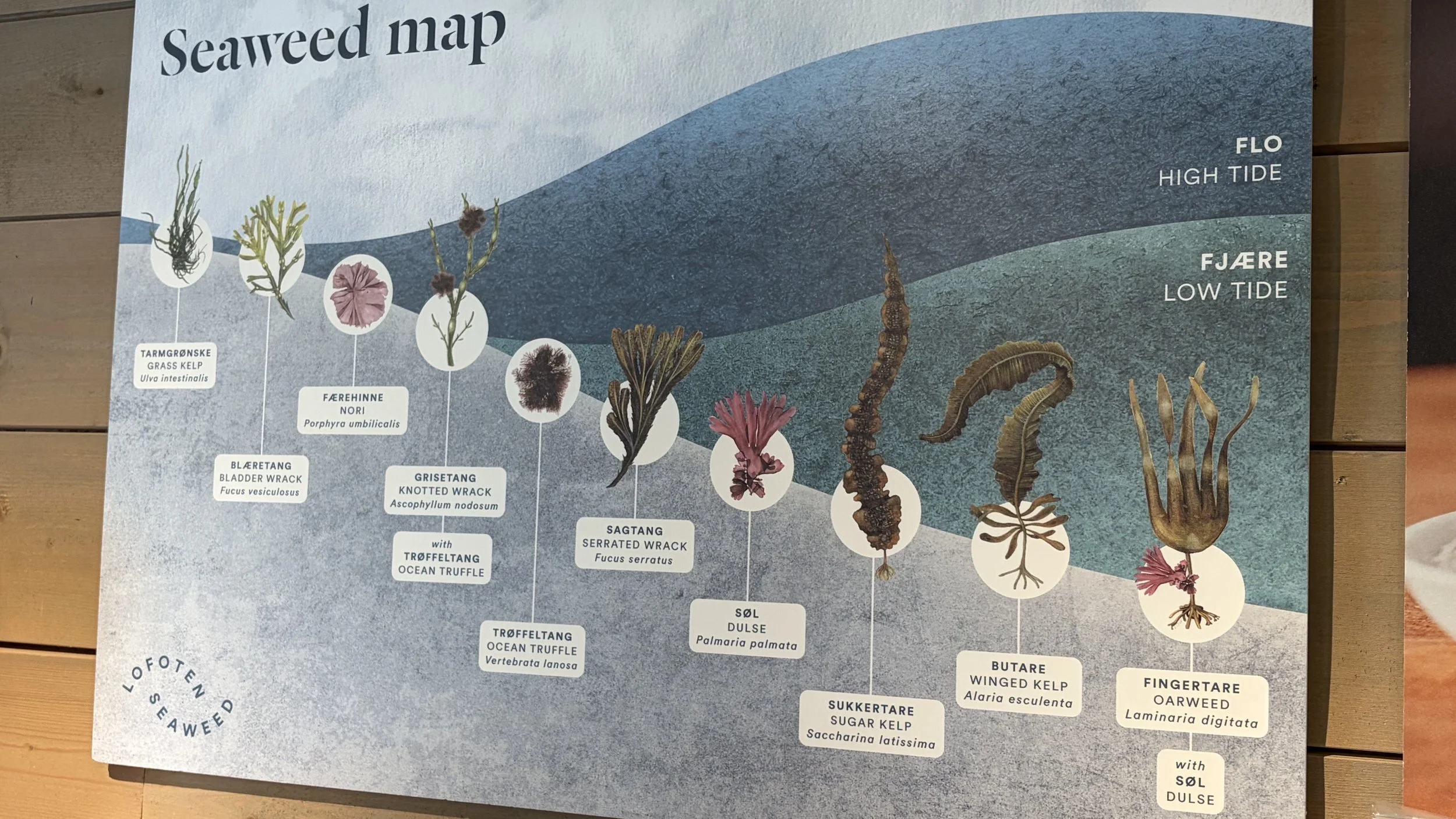
Seaweed might not be the first ingredient that comes to mind when you think about cooking in Mallorca, but I found the idea fascinating. Harvested from the incredibly clean waters around Lofoten, the seaweeds are packed with natural umami and can be used in all sorts of ways—from seasoning and salads to adding a little extra depth to sauces, fish and vegetables.
What really appealed to me was the simplicity of it. Here was something growing naturally in the waters around them, harvested by hand and turned into an ingredient that could bring a real sense of place to a dish.
There’s something I love about ingredients like that: they don’t need a complicated story because the story is already there.
I brought some ideas (and, of course, some inspiration) home with me, and I’m already thinking about how the Lofoten seaweed could find its way onto a few future Mallorca private dining menus.
It’s a wonderful reminder that sometimes the most interesting ingredients are the ones that have been growing quietly in nature all along—we just need to look a little closer.
If you enjoyed this blog post, I suggest you subscribe to my newsletter « A Seat at the Table» in order to get a monthly update on food stories. No spam, I promise. Only delicious discoveries from Mallorca and the world.